Retirement guides
Plain-language explanations with worked examples. Each one links to the calculator that does the math for you.
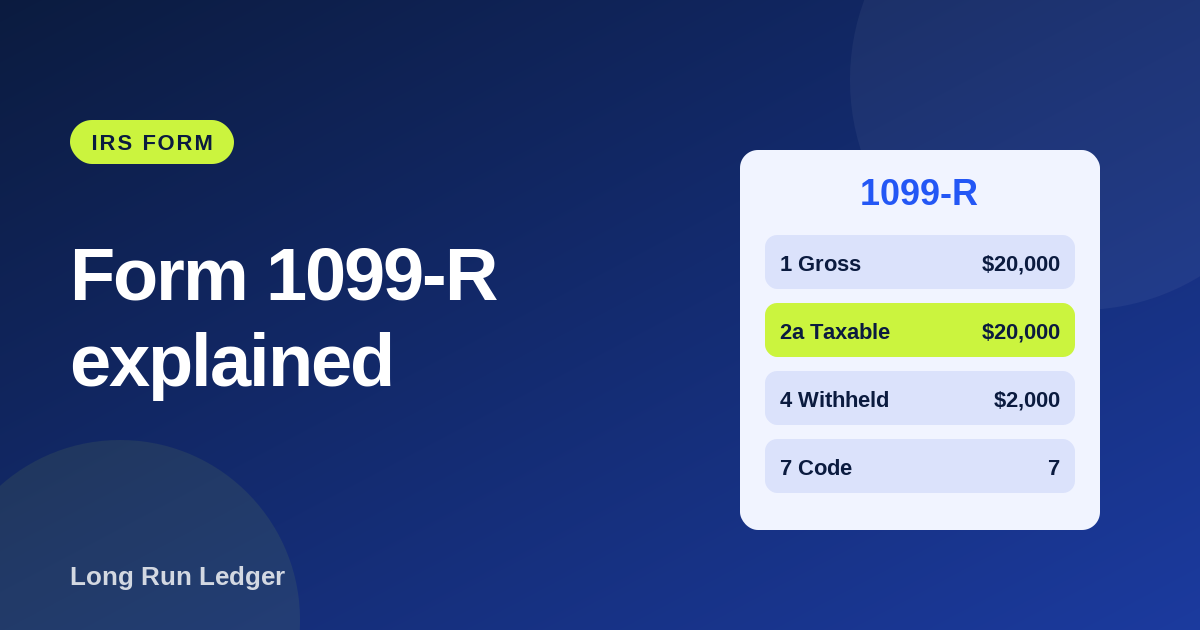 Form 1099-R Explained: What It Is and How to Read ItForm 1099-R reports money paid out of retirement accounts. Learn what each box and Box 7 code means, when it arrives and how to report it on your return.Read guide
 How Social Security Benefits Are Taxed (2026 Rules)How are Social Security benefits taxed? See the income thresholds, the 50% and 85% rules, worked examples and ways to lower the tax on your benefits.Read guide
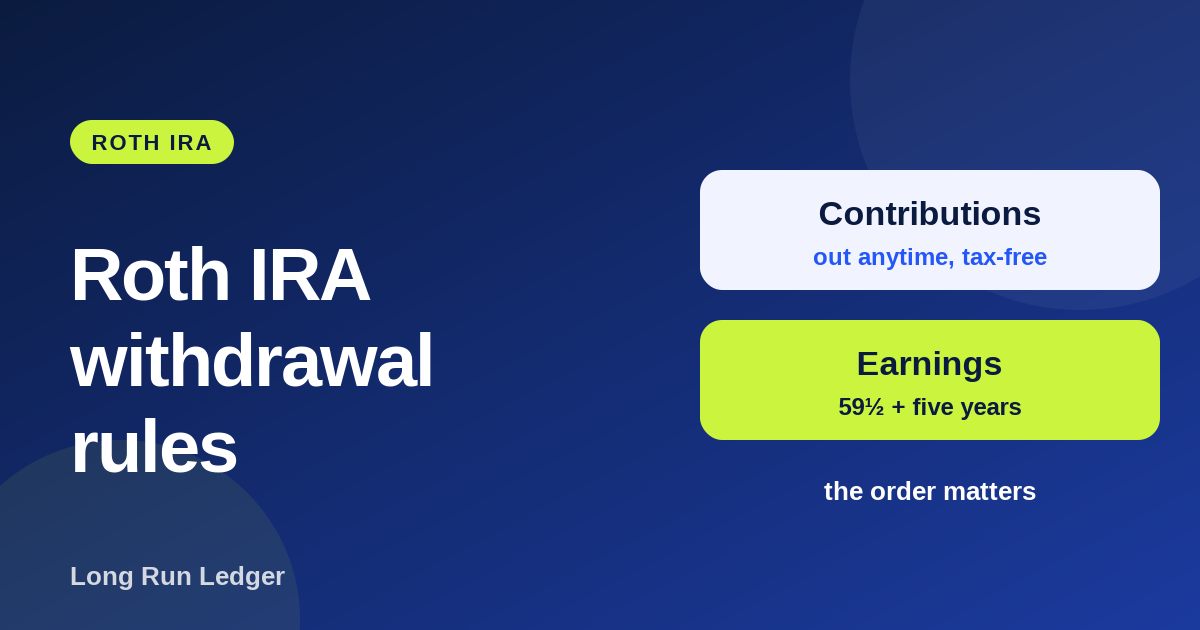 Roth IRA Withdrawal Rules: When and How to Take Money OutRoth IRA withdrawal rules explained: contributions come out tax-free anytime, earnings need age 59½ and five years. See the order, penalties and exceptions.Read guide
 Rule of 55: Penalty-Free 401(k) Withdrawals Before 59½The rule of 55 lets you withdraw from your current employer’s 401(k) at 55 or later without the 10% penalty. See who qualifies, the catches and an example.Read guide
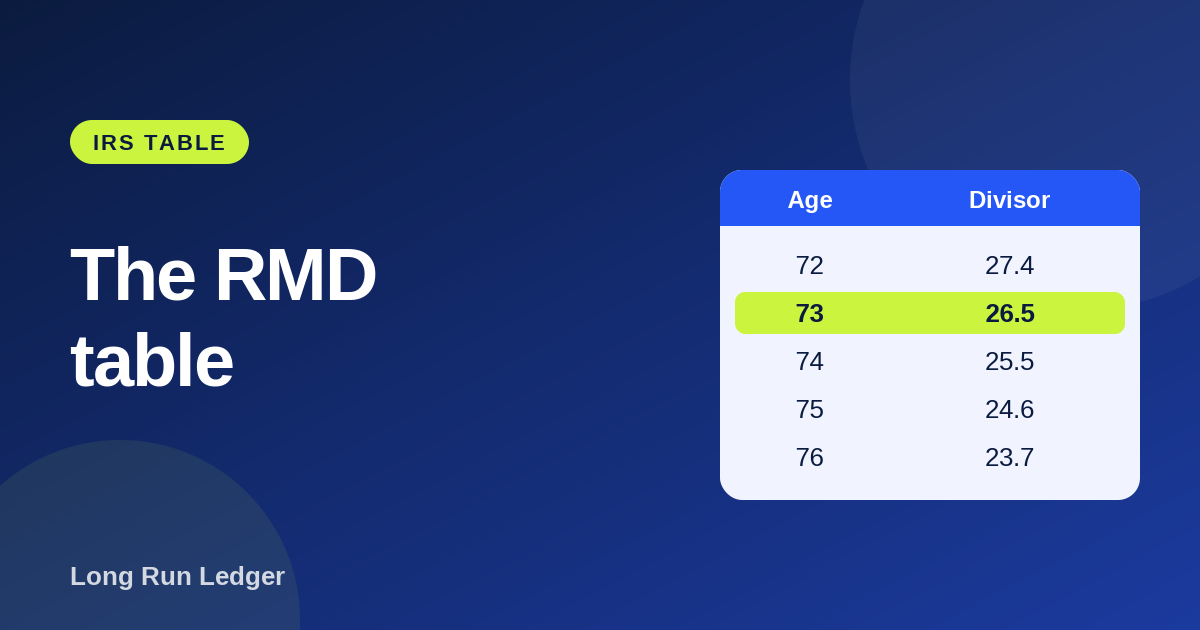 RMD Table: IRS Uniform Lifetime Table for 2026 (Ages 72–120+)The IRS Uniform Lifetime Table for required minimum distributions, ages 72 to 120+, with the formula, worked examples, start ages and the missed-RMD penalty.Read guide
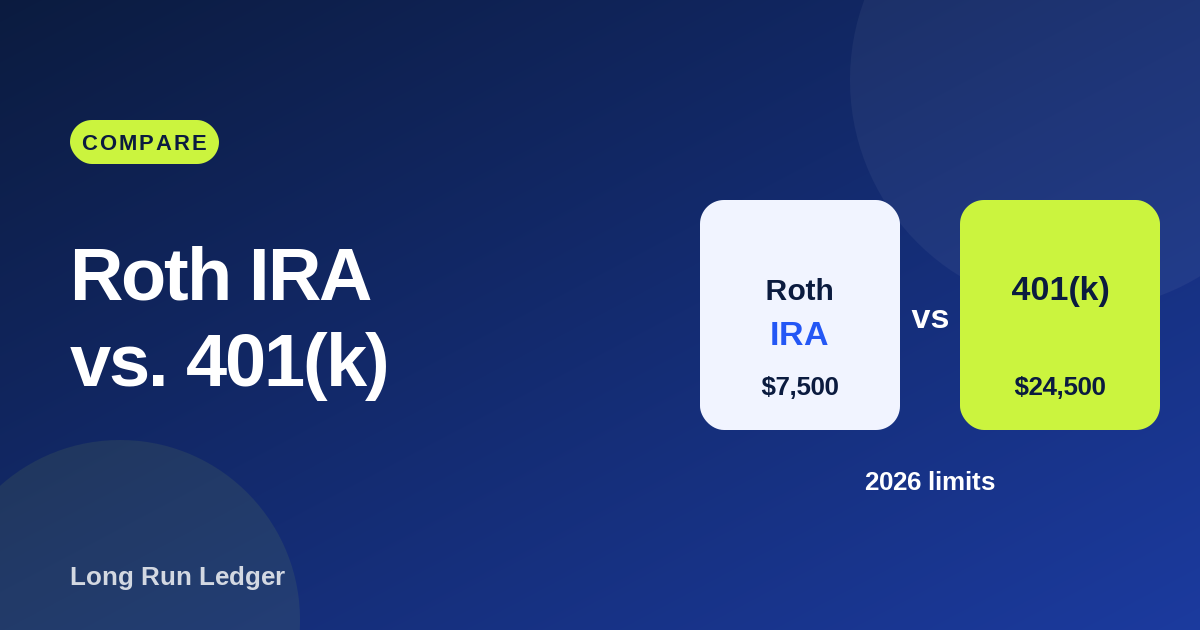 Roth IRA vs. 401(k): Which Should You Fund First?Roth IRA or 401(k)? Compare limits, taxes, employer match, income limits, investment choices and withdrawals, and see a common order for funding both.Read guide
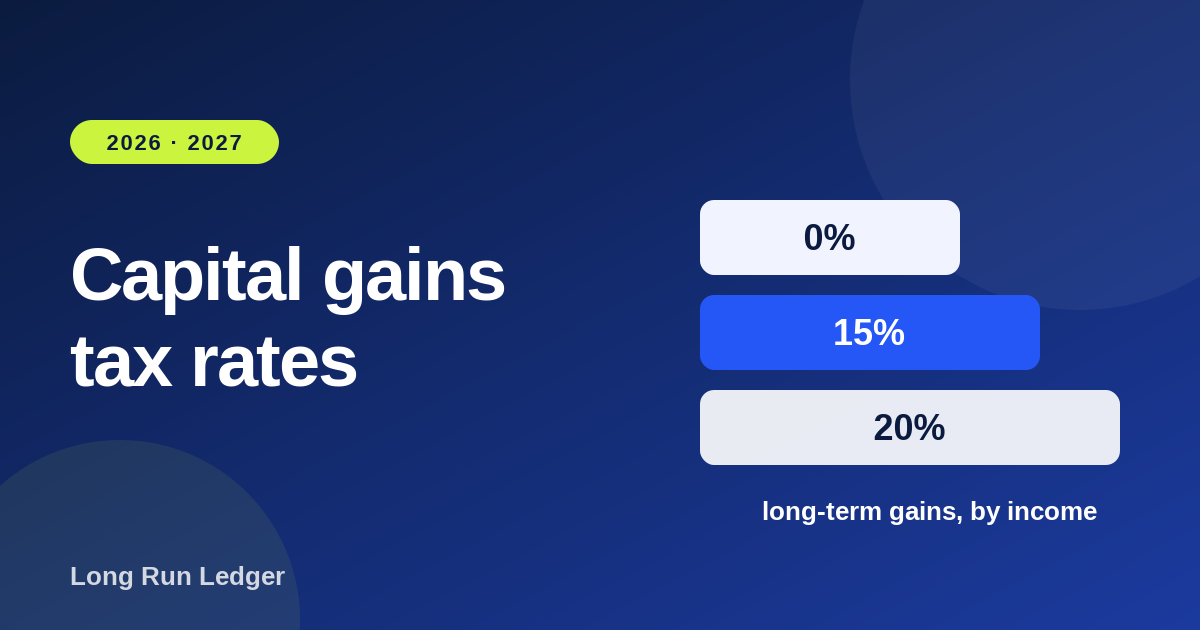 Capital Gains Tax Rates for 2026 and 2027 (With Brackets)Long-term capital gains are taxed at 0%, 15% or 20% depending on income. See the 2026 and 2027 brackets, the 3.8% surtax, special rates and worked examples.Read guide
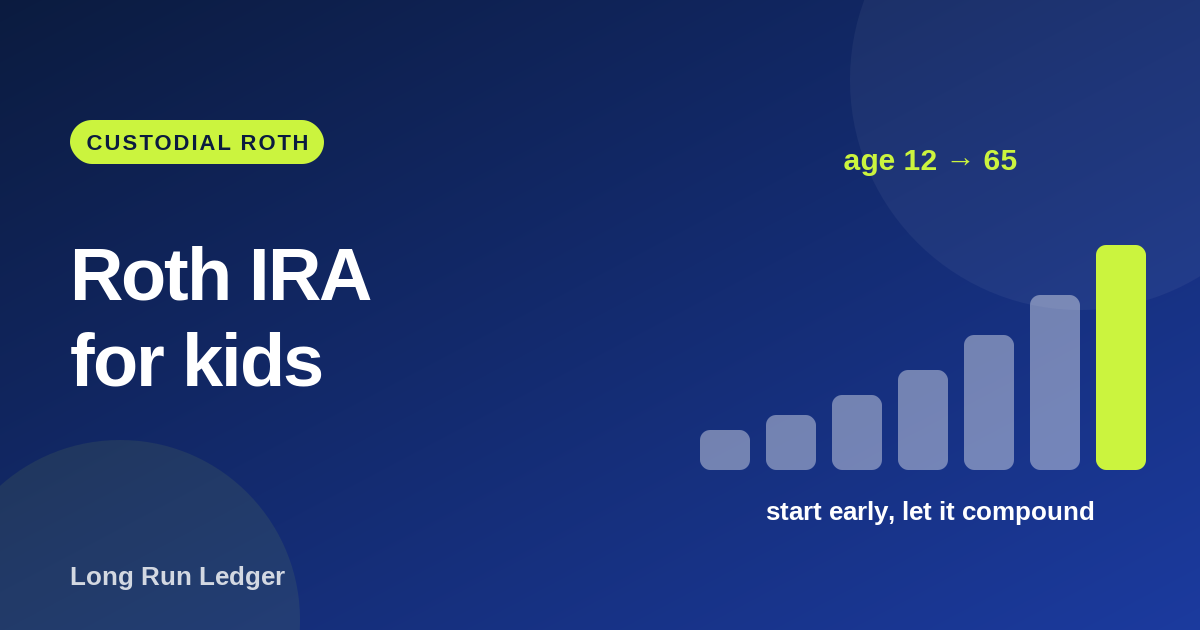 Roth IRA for Kids: Custodial Roth IRA Rules and How to OpenA child with earned income can have a Roth IRA, opened by a parent as custodian. See the rules, the contribution limit, who can fund it and how to open one.Read guide
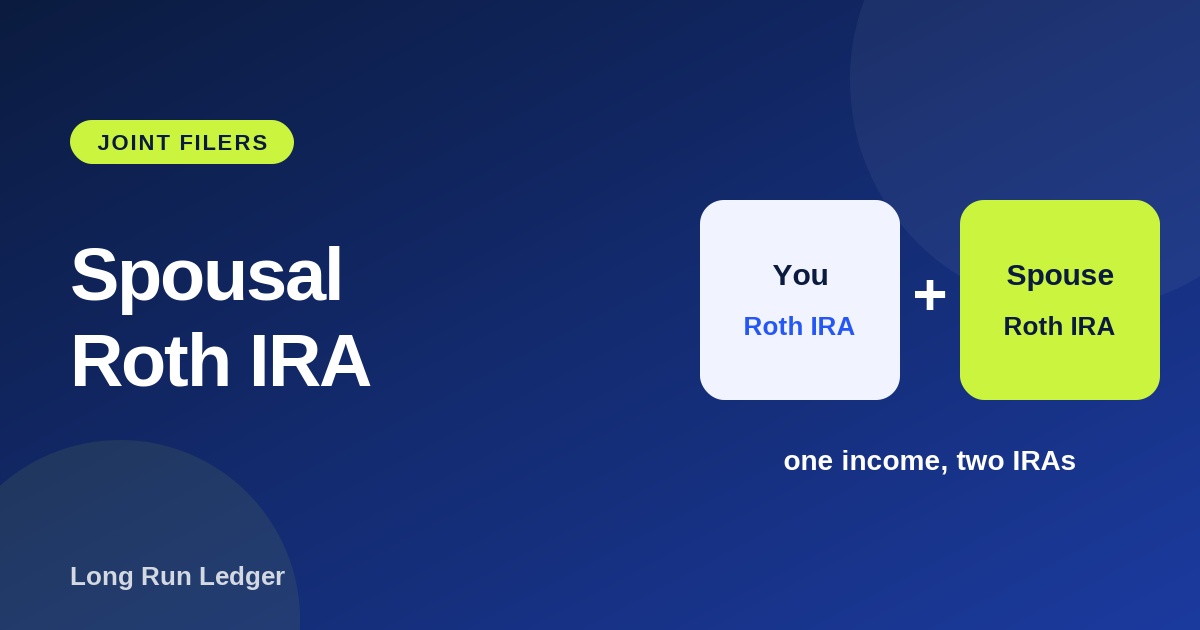 Spousal Roth IRA: Rules, Limits and How It WorksA spousal Roth IRA lets a spouse with little or no income save for retirement based on the other spouse’s earnings. See the rules, limits and income phase-outs.Read guide
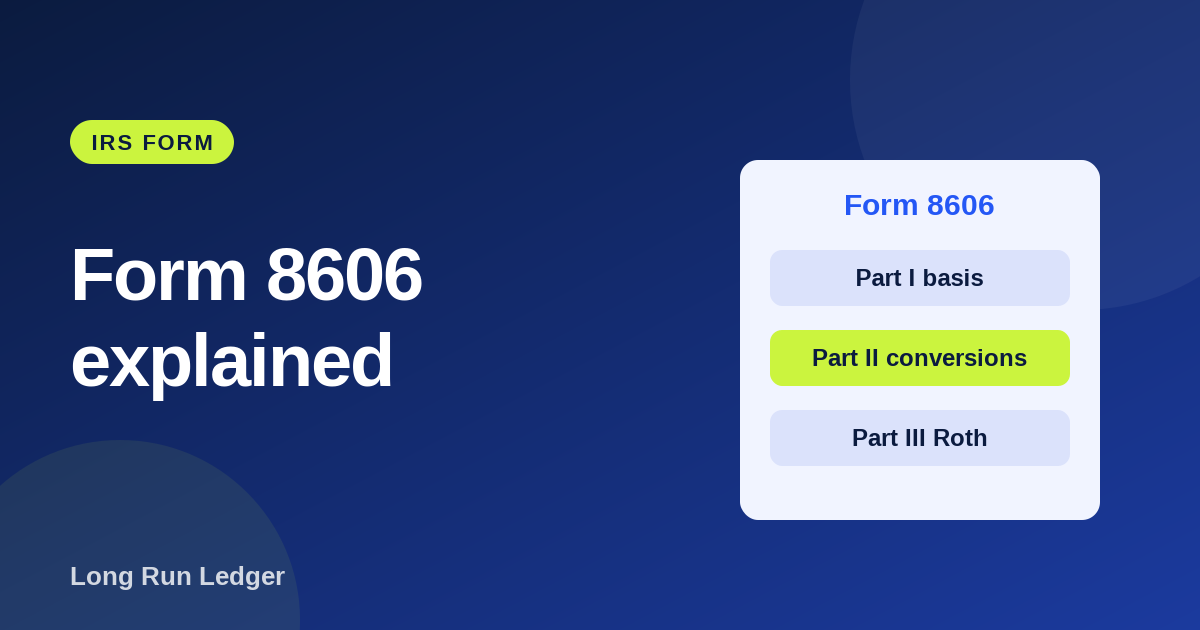 Form 8606 Explained: When to File and How to Fill It OutForm 8606 tracks nondeductible IRA contributions, Roth conversions and Roth withdrawals. See when you must file, what each part does and the penalties.Read guide
 72(t) Distributions: Substantially Equal Periodic PaymentsA 72(t) plan lets you take penalty-free IRA payments before 59½ by following IRS rules. See the three methods, the time limit and what happens if you change it.Read guide
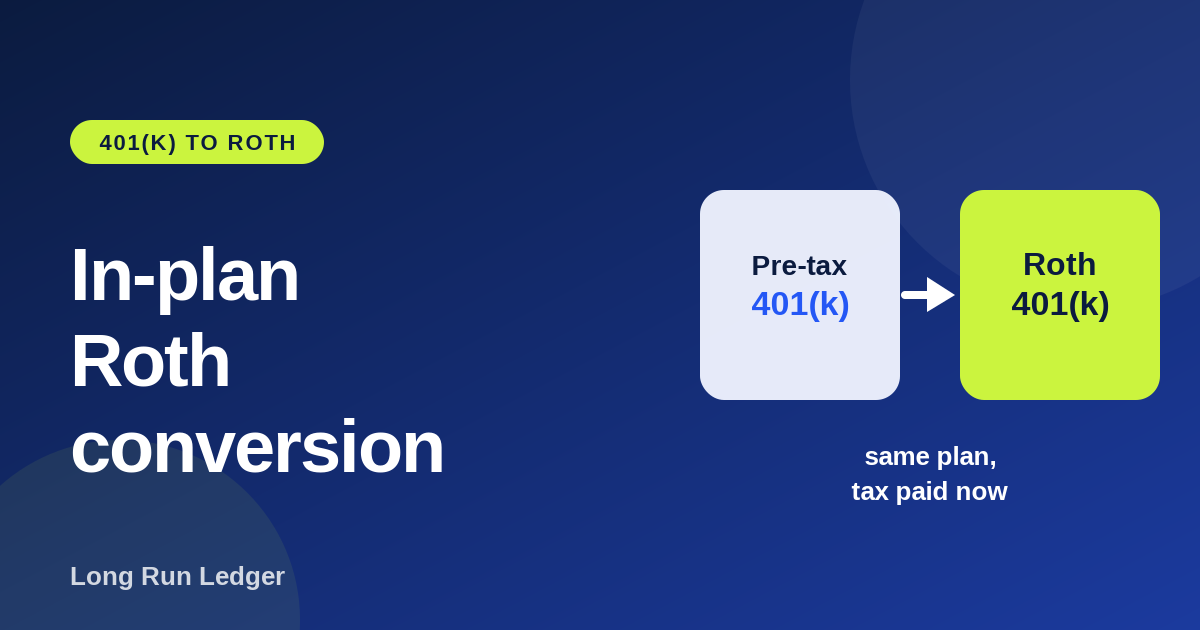 In-Plan Roth Conversion: Convert a 401(k) to a Roth 401(k)An in-plan Roth conversion moves pre-tax 401(k) money into your plan’s Roth account. Learn the tax cost, rules, year-end deadline and when it makes sense.Read guide
 How 401(k) Withdrawals Are Taxed: Rates, Withholding, ExamplesTraditional 401(k) withdrawals are taxed as ordinary income. See how much tax you pay, how 20% withholding works, and ways to lower the bill, with examples.Read guide
 401(k) and IRA Early Withdrawal Penalty: Rules and ExceptionsWithdrawing from a 401(k) or IRA before 59½ usually adds a 10% penalty to income tax. See the cost, the main exceptions, and ways to avoid it legally.Read guide
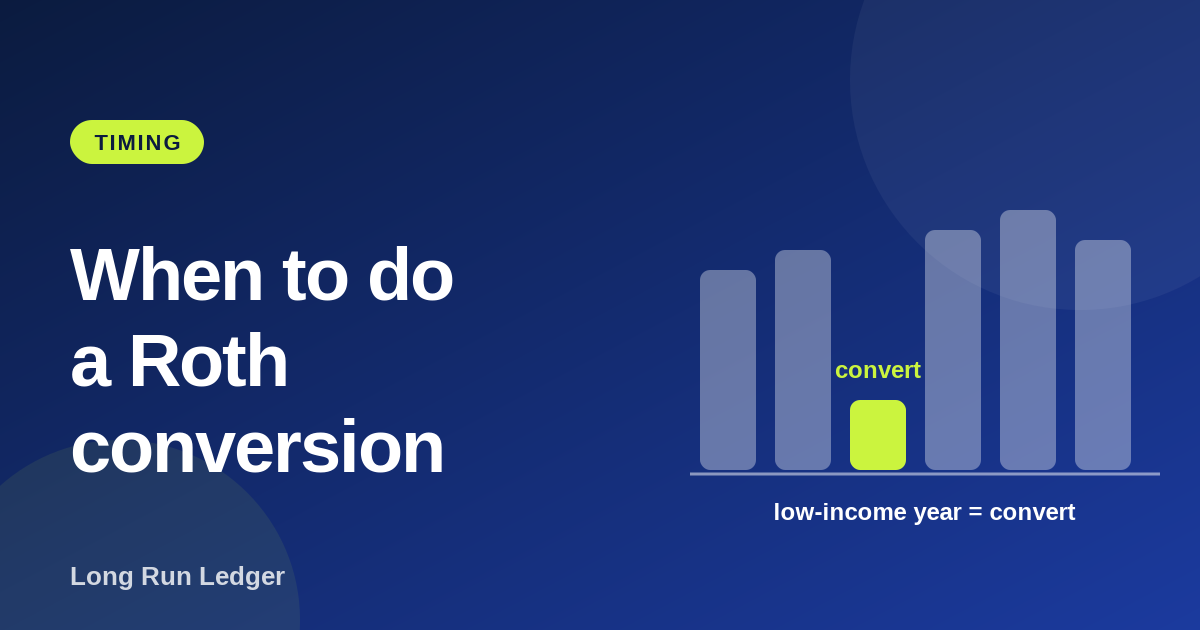 When to Do a Roth Conversion (and When to Wait)The best time for a Roth conversion is when your tax rate is low. See the best windows, partial conversions, the Dec 31 deadline and when to wait.Read guide
 How to Pay Taxes on a Roth ConversionThe tax on a Roth conversion is due for the year you convert. See your options: estimated payments, withholding, the safe harbor rules and Form 8606.Read guide
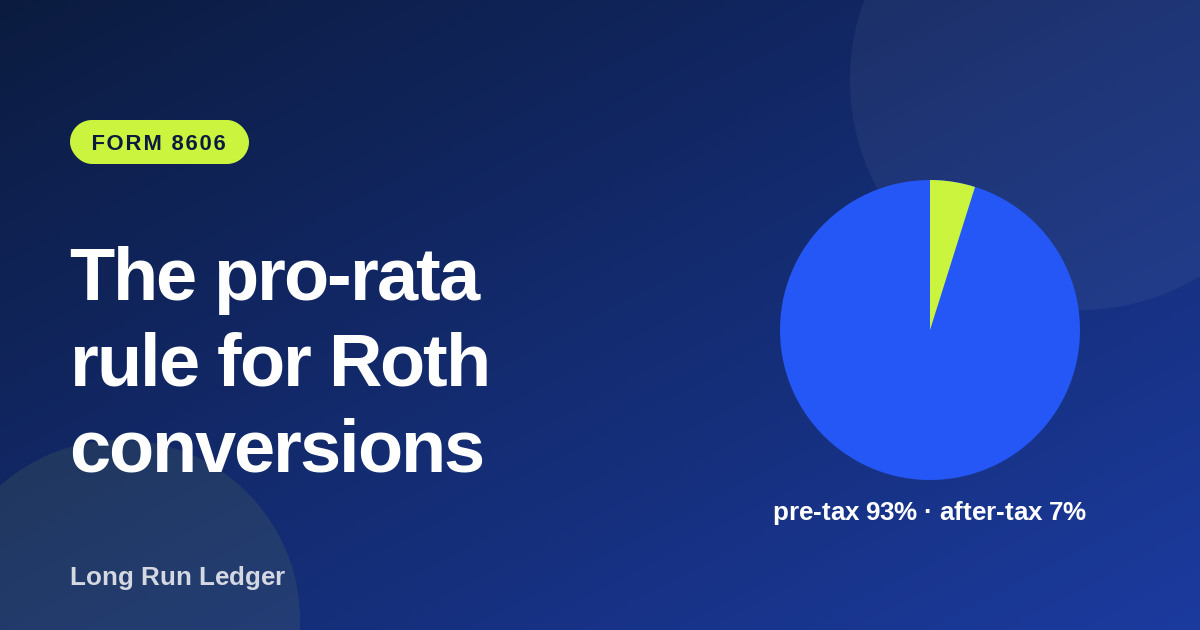 Pro-Rata Rule for Roth Conversions Explained (Form 8606)The pro-rata rule decides how much of a Roth conversion is taxable when you hold after-tax IRA money. See the formula, a worked example and a workaround.Read guide
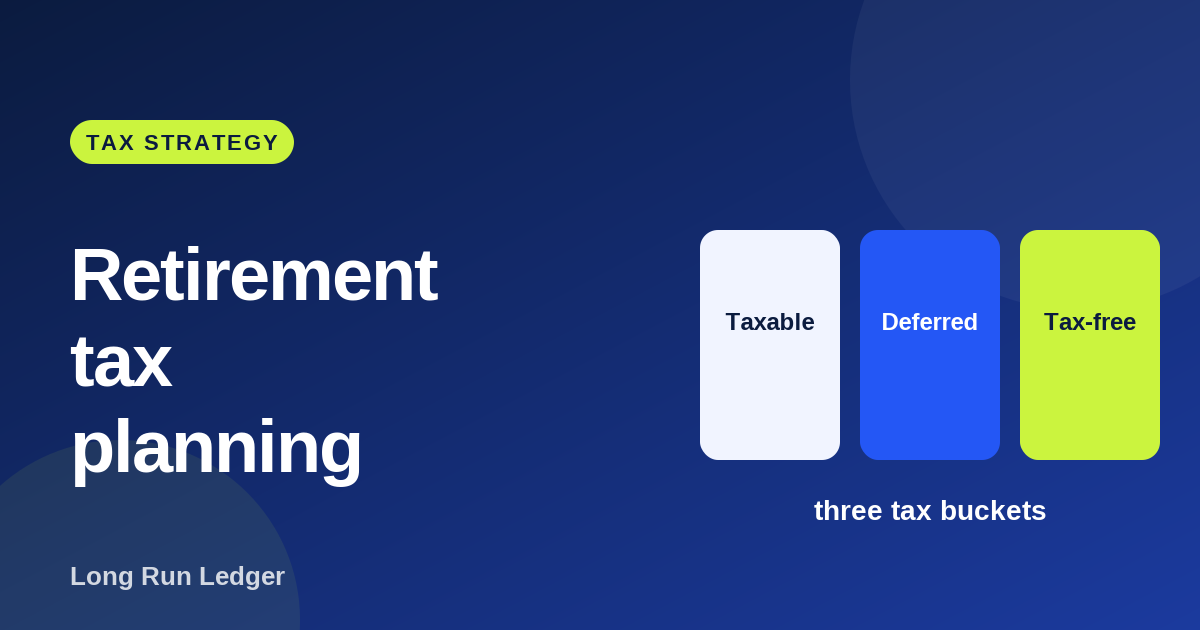 Retirement Tax Planning: 9 Strategies to Keep MoreRetirement tax planning is about controlling which accounts you tap and when. Nine practical strategies, from tax diversification to Roth conversions and RMDs.Read guide
 Retirement Account Tax Deadlines for 2026 and 2027Key retirement tax dates for the 2026 tax year: Roth conversions, IRA and HSA contributions, 401(k), RMDs and estimated taxes, with what each deadline means.Read guide
 What Is Investing? A Plain-English Guide for BeginnersInvesting means putting money into assets that can grow over time. Learn how stocks, bonds and funds work, why risk matters, and how to start.Read guide
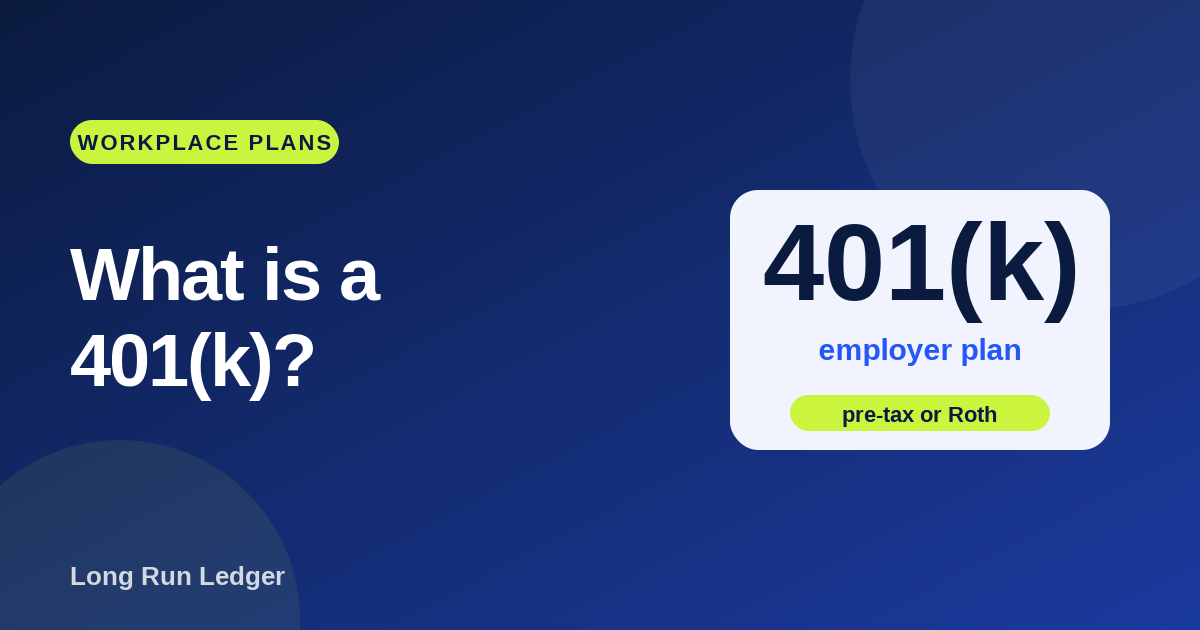 What Is a 401(k)? How It Works, Limits and RulesA 401(k) is an employer retirement plan with tax advantages. Learn how contributions, matching, limits, withdrawals and rollovers work.Read guide
 401(k) Employer Match Explained With ExamplesAn employer match is free money added to your 401(k). See how common match formulas work, with worked examples and how to get the full amount.Read guide
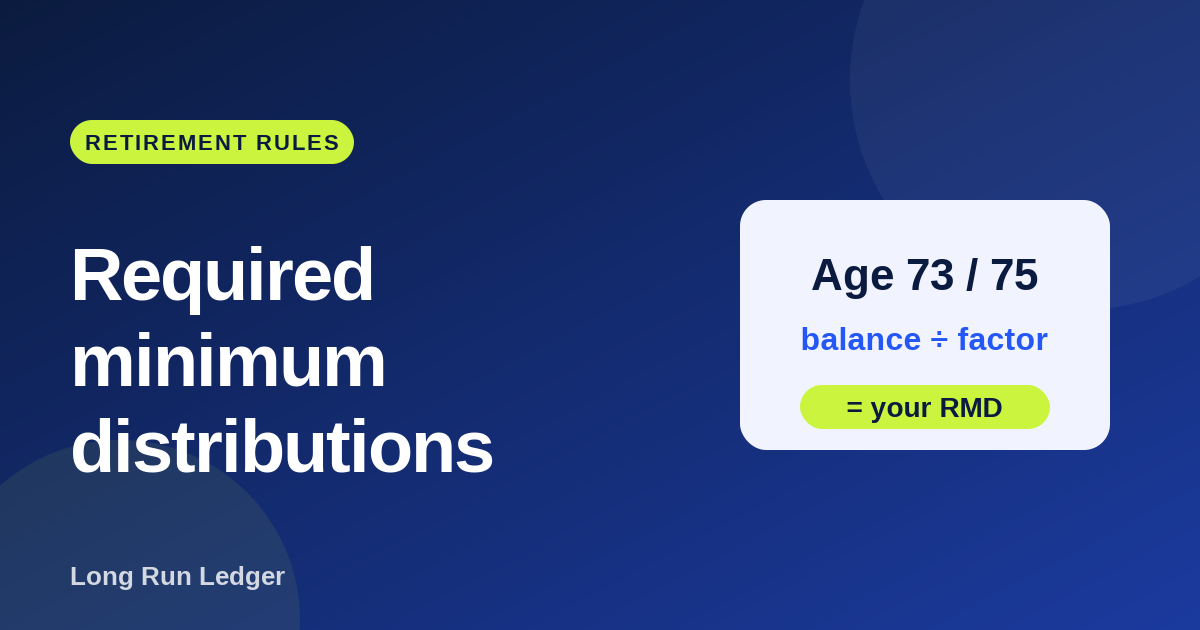 Required Minimum Distributions (RMDs) ExplainedRMDs are yearly withdrawals the IRS requires from traditional retirement accounts starting at 73 or 75. Learn the rules, formula and penalties.Read guide
 How to Save $1 Million: How Long It Takes and What to SaveSaving $1 million takes about 36 years at $500 a month, 28 years at $1,000 and 20 years at $2,000, at 7% a year. See the math and ways to speed it up.Read guide
 Mutual Funds vs. ETFs: What’s the Difference?Mutual funds and ETFs both pool money into many investments. Compare costs, trading, taxes and minimums, and see which suits retirement investors.Read guide
 How Much Do I Need to Retire? A Simple Way to Find Your NumberHow much you need to retire depends on your spending. Use the 25x rule, subtract Social Security, and see worked examples and savings benchmarks.Read guide
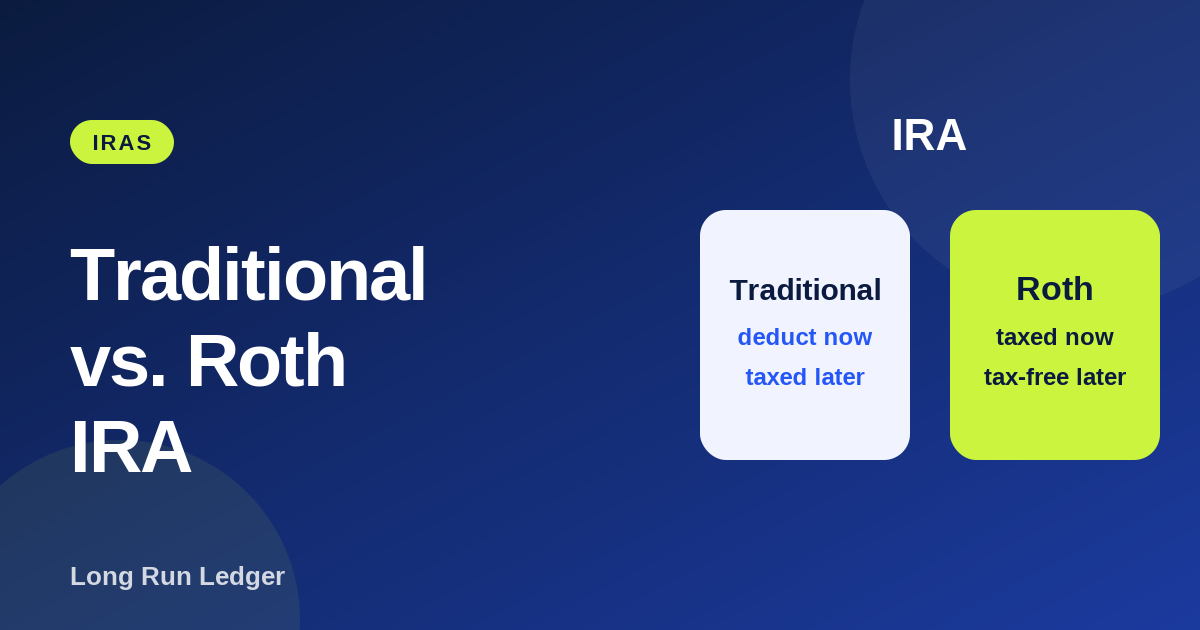 Traditional IRA vs. Roth IRA: Which One Is Right for You?Traditional IRA or Roth IRA? Compare taxes, income limits, withdrawals and required distributions, and see which fits your situation.Read guide
 When to Claim Social Security: 62, Full Retirement Age or 70?Claiming Social Security at 62 cuts your benefit, and waiting until 70 raises it. See the percentages, an example, and what to weigh.Read guide
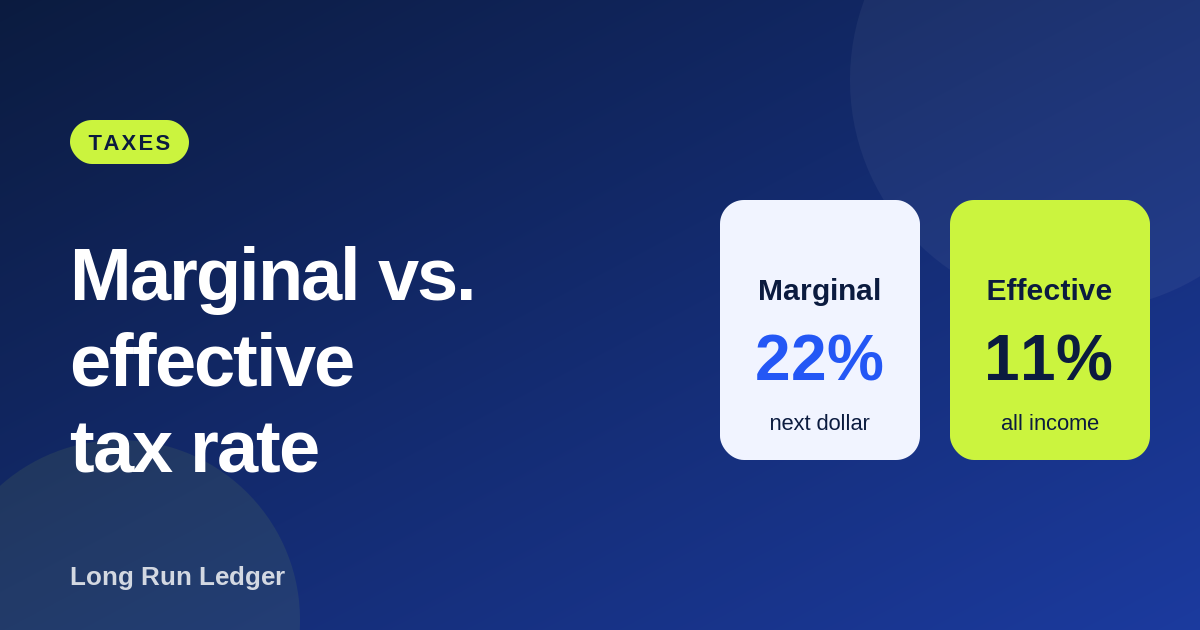 Marginal vs. Effective Tax Rate: What’s the Difference?Your marginal rate applies to your next dollar, and your effective rate is your average. See the difference with a worked 2026 example.Read guide
 2026 and 2027 Federal Income Tax Brackets and Standard DeductionsThe 2026 and 2027 federal income tax brackets and standard deductions for single, married filing jointly and head of household filers.Read guide
 How to Start Investing for Retirement: A Beginner’s PlanNew to investing? Follow this order: employer match, emergency fund, IRA, low-cost index funds, and automatic contributions. Includes fees explained.Read guide
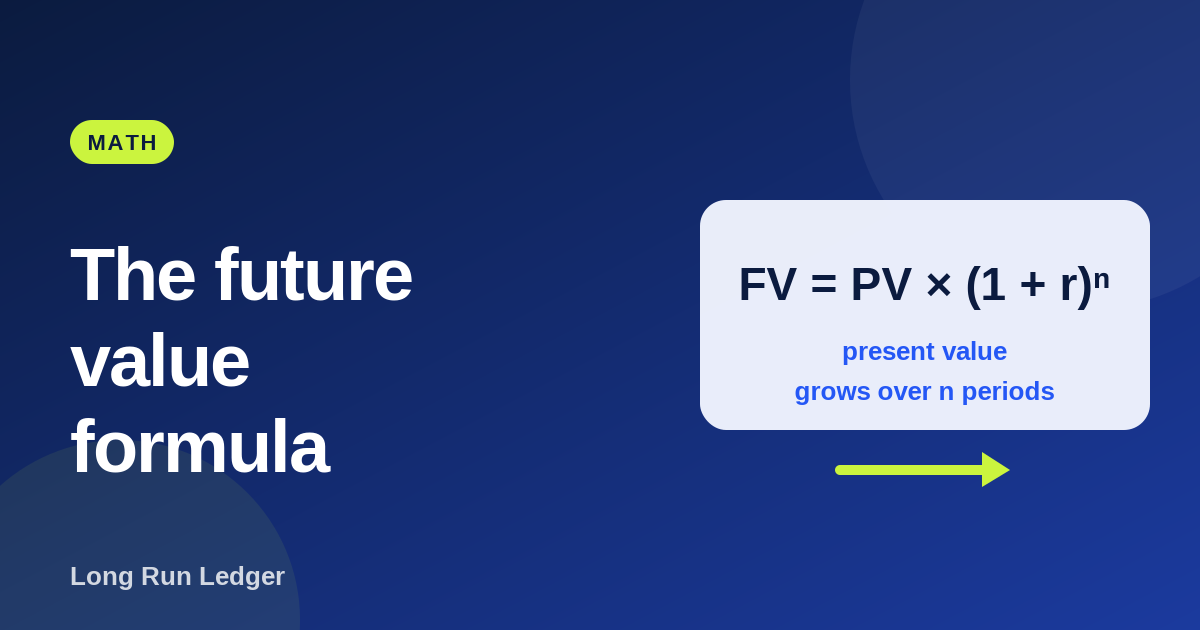 The Future Value Formula, With Worked ExamplesLearn the future value formula for a lump sum and for regular contributions, with worked examples you can check in the calculator.Read guide
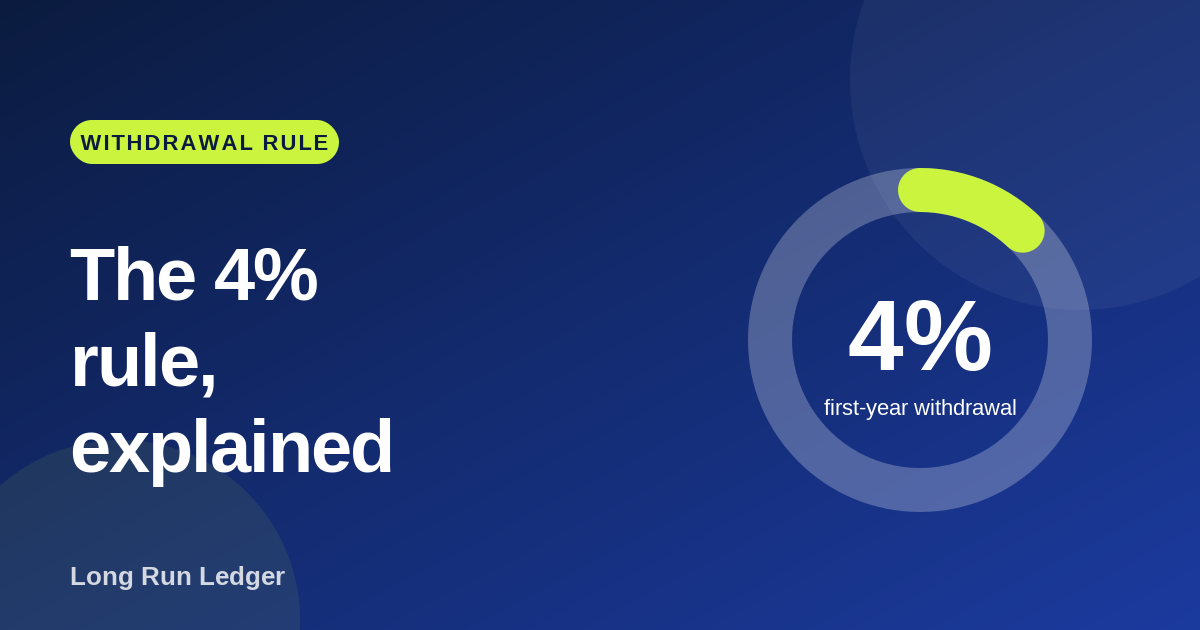 The 4% Rule, Explained: How Much Can You Withdraw in Retirement?The 4% rule says you can withdraw 4% of your portfolio in year one, then adjust for inflation. Learn where it came from, an example, and its limits.Read guide
 What Is the Retirement Age in the USA? Every Key Age From 59½ to 75There is no single retirement age in the US. These are the ages that matter: 59½, 62, 65, 67, 70, 73 and 75, and what each one changes.Read guide
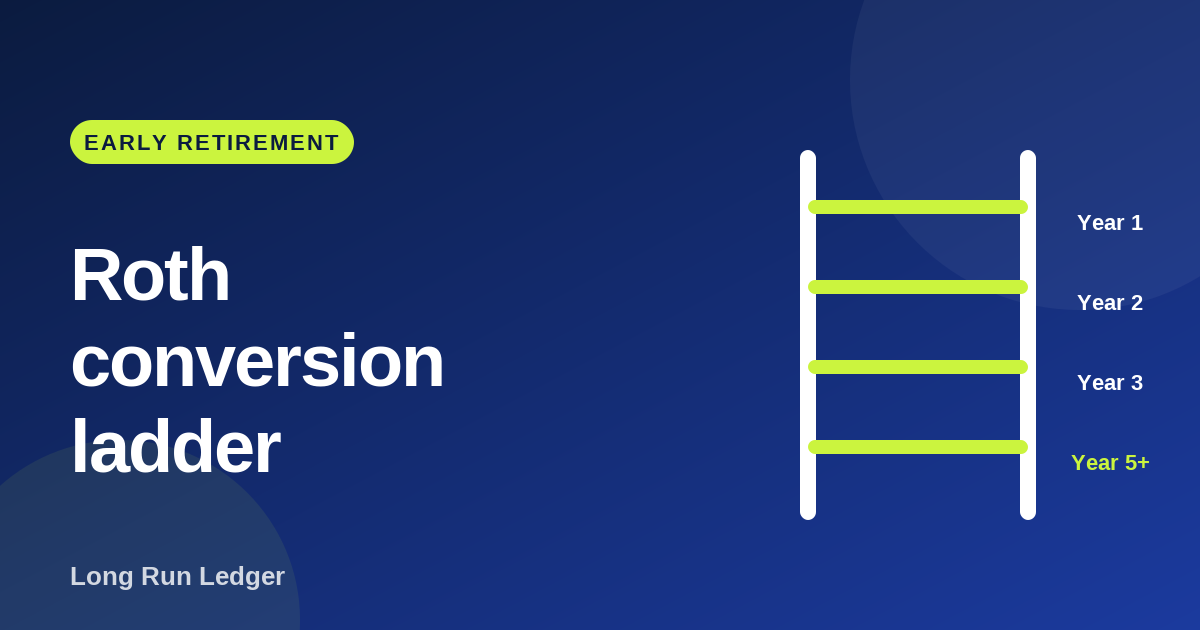 Roth Conversion Ladder: How Early Retirees Access Their MoneyA Roth conversion ladder moves pre-tax money into a Roth in low-tax years so you can withdraw it penalty-free before 59½. See how it works.Read guide
 The Roth Five-Year Rule, Explained SimplyThe Roth five-year rule decides when earnings come out tax-free and when a conversion avoids the 10% penalty. Learn the two clocks and examples.Read guide
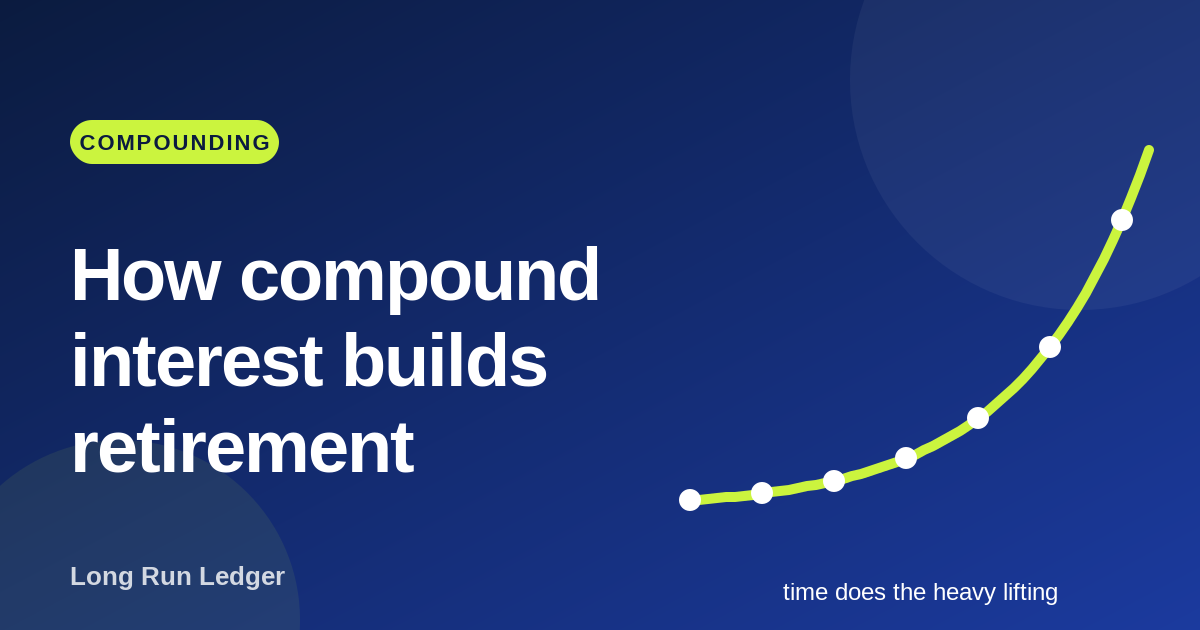 How Compound Interest Builds Retirement Savings (With Real Numbers)Compound interest turns steady saving into large balances over decades. See $500 a month at 7% over 10 to 40 years, and the cost of waiting.Read guide
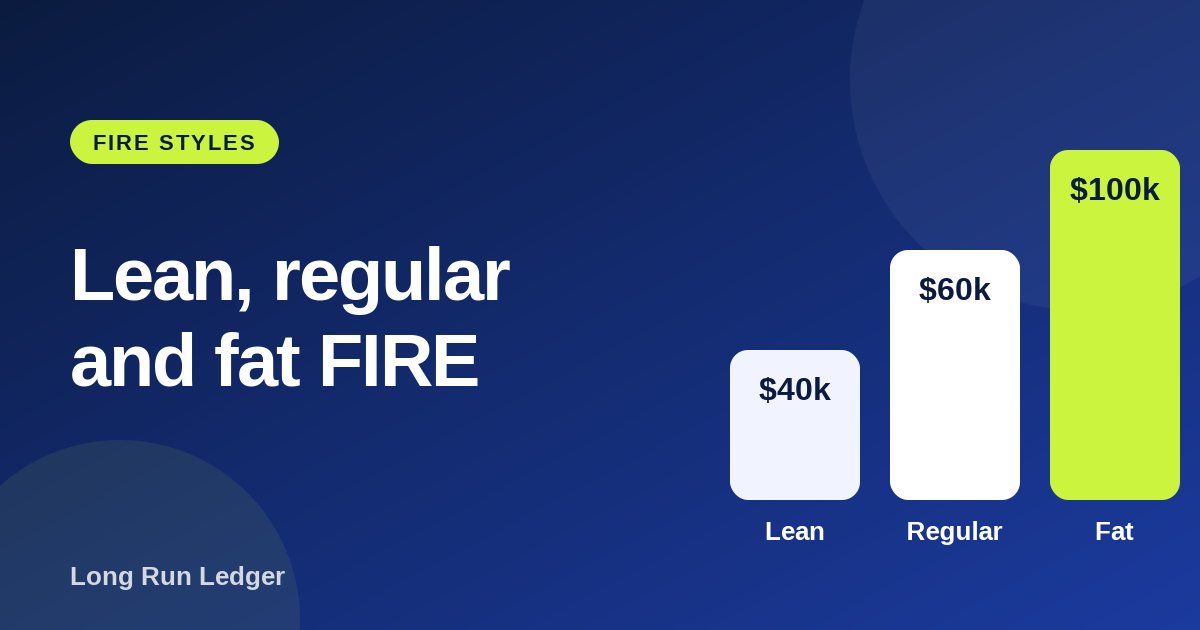 Lean, Regular and Fat FIRE: What Each Style CostsLean, regular and fat FIRE differ by yearly spending. See the portfolio each one needs at a 4% withdrawal rate, and what to weigh before choosing.Read guide
 How to Open a Roth IRA: Step by Step for BeginnersOpen a Roth IRA in about 15 minutes: check eligibility, pick a provider, fund it, and invest. Includes the 2026 limit and the deadline.Read guide
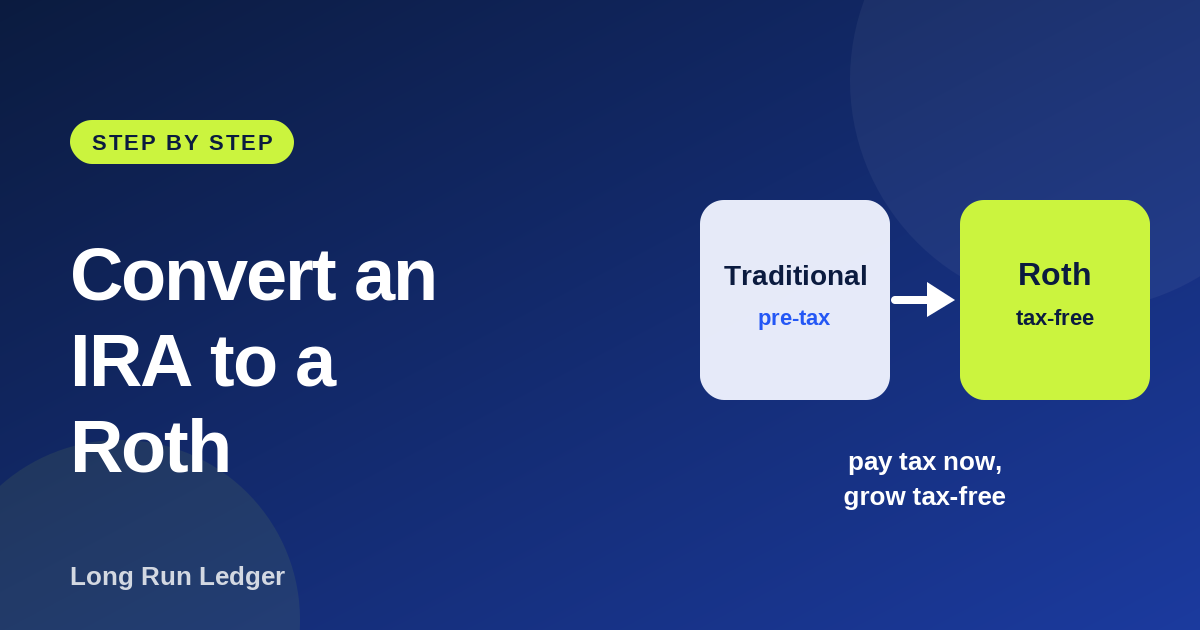 How to Convert a Traditional IRA to a Roth IRA, Step by StepHow to convert a traditional IRA to a Roth IRA: the steps, the tax bill, the pro-rata rule, the December 31 deadline and common mistakes.Read guide
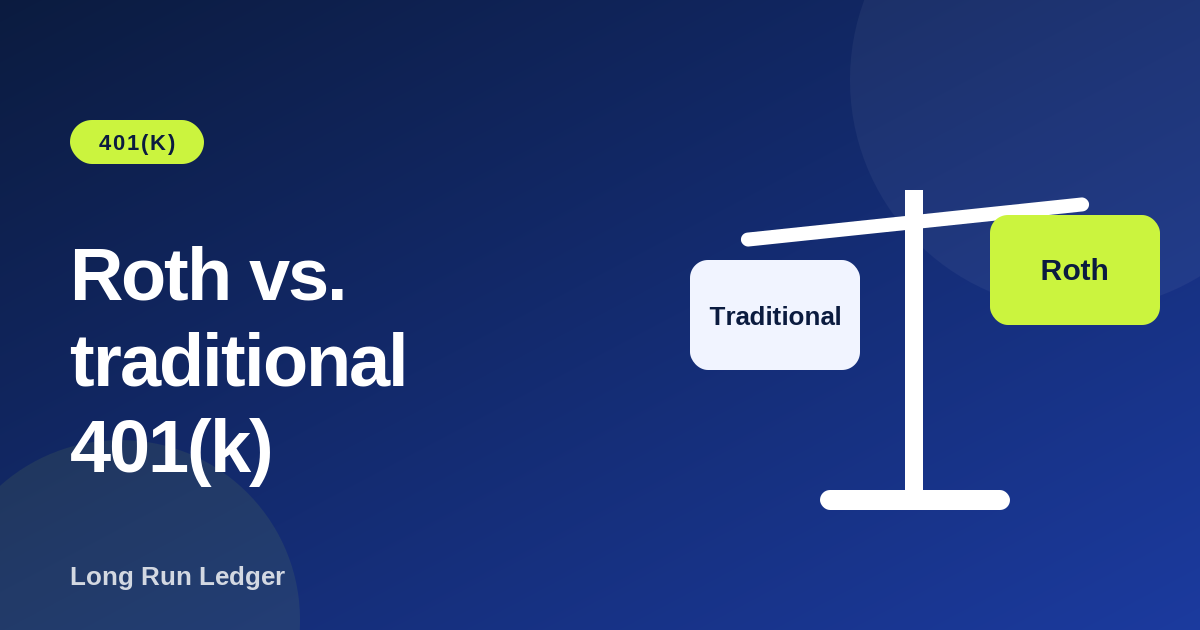 Roth vs. Traditional 401(k): How to ChooseRoth or traditional 401(k)? The choice comes down to your tax rate now versus in retirement. See the 2026 limits, an example, and a simple rule.Read guide
 Barista FIRE: What It Is and How to Calculate Your NumberBarista FIRE lets part-time income cover part of your spending so you need a smaller portfolio. See the formula, an example, and the risks.Read guide
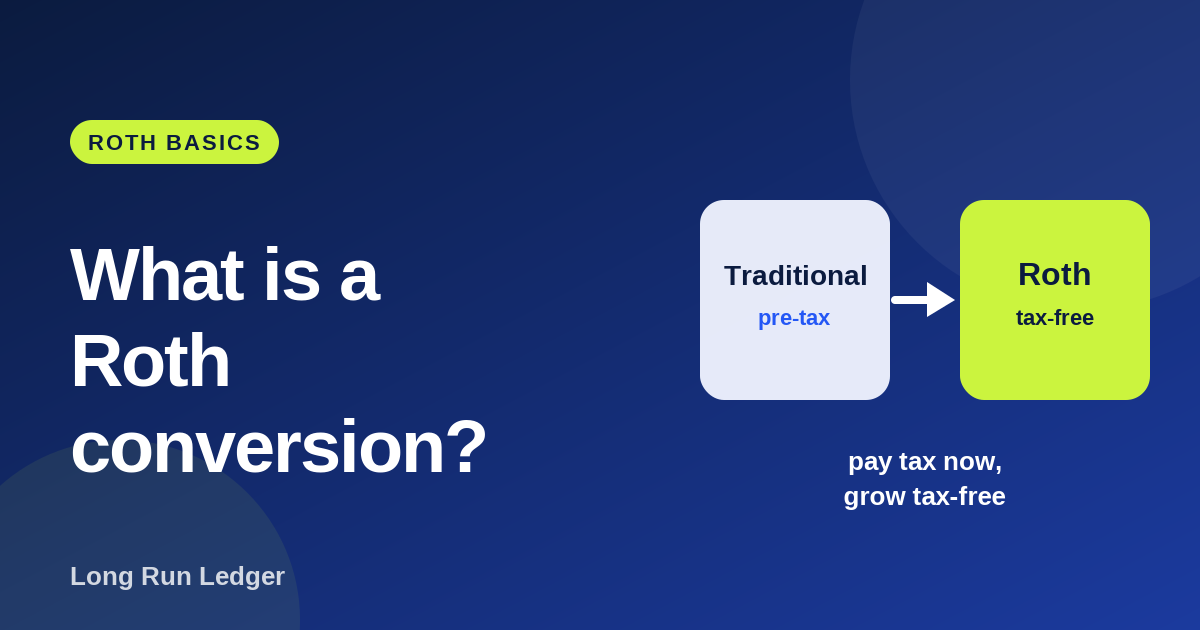 What Is a Roth Conversion? How It Works and What It CostsA Roth conversion moves pre-tax retirement money into a Roth IRA. Learn how it’s taxed, see a worked example, and find out when converting makes sense.Read guide
 Roth IRA Contribution Limit for 2026 and 2027The Roth IRA limit is $7,500 for 2026 ($8,600 if 50+). See the 2026 and 2027 income limits, how the phase-out works, and a worked example.Read guide
 Backdoor Roth Conversion: Step-by-Step Guide and the Pro-Rata RuleA backdoor Roth lets high earners fund a Roth IRA. Learn the steps, the pro-rata rule with a worked example, and the mistakes to avoid.Read guide
 Coast FIRE Number: What It Is and How to Calculate YoursLearn what a Coast FIRE number is, the formula behind it, and two worked examples, plus what the math leaves out.Read guide